My mind is empty I guess
Here is my big big question (again)
Do tidally locked M-dwarf binaries show activity behavior consistent with (or different from) single M dwarfs, especially near the convective boundary?
If you want to know about my project proposal, please feel free to read my scientific justification on the home page. Along with my proposed steps for this academic semester.
To remind you, I am working towards my first milestone which is to create light curves for all the stars present. So my offical goals for this week are to read so more papers (as always) and to have my base code down, so that means reduction DONE, alignment DONE, and up to a position where I can get some photometry done.
Updates!
Here is where I'm supposed to talk about how I did in working toward your goal from the initial post in particular: How did I start the task? What challenges did I encounter, if any? What is left to do next week?
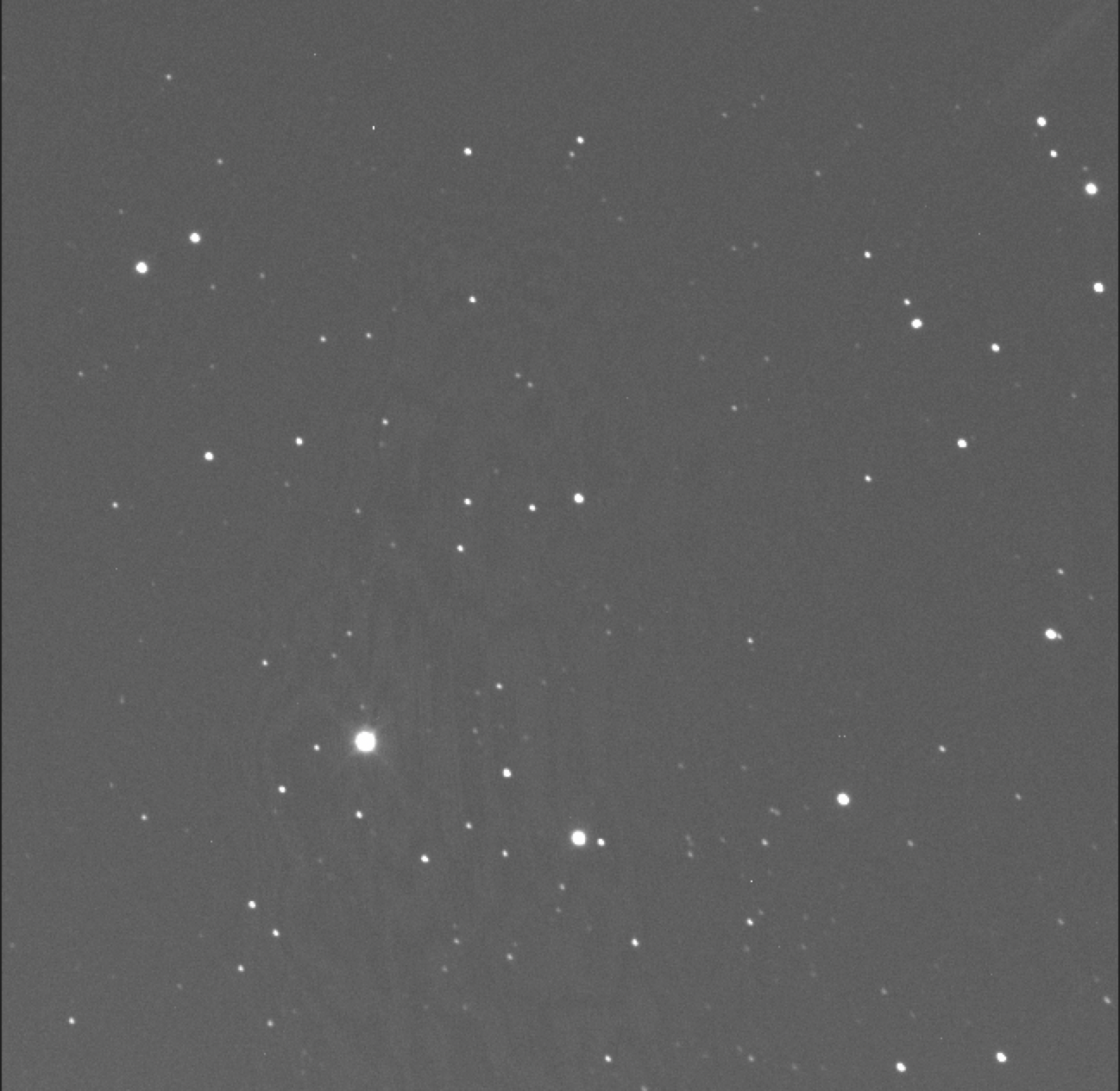
Apparently I've misunderstood the assignment from before and I was NOT supposed to pick my own milestone dates, oops! I do fear there is no way that I can create all my light curves this week so I cannot say that that will be my milestone. I have, instead done all my reduction on the raw scientific images excpet for Louis in H alpha on and off (which I currently do not need). And can I just say, going through gigs and gigs of this data and sorting the images by object and type is very time consuming. I am in a postion where I have begun photometry so in terms of goals I definitely feel like I completed mine for the week. I have to admit that while I've reduced my images and gone into DS9 to prove that the counts are infact lower I don't exactly know what they're supposed to look like. To me they seem pretty okay. Maybe if I set up my appointment with Leo soon I'll ask. I also don't know what yet to turn in to prove that I've done what I said as a deliverable. Maybe just maybe, I can create a light curve for one binary for one night. We shall see.
Okay so, I have theoretically reduced all the data but I am unconfident in my calibrated images looking at them. This will have to be a problem for later so I can ask leo or eliot. I tried to do some differental pohotometry on romeo for one night, but it turns out my attempt at alignment is shotty. I have a feeling it's because of the boarders. In my reduction I turned them into NANs I think and that might be messing some things up. But if I can't get this fixed then I can't make a light curve. This also being said if today is my milestone day I would absolutely say reducing all the observed data is a milestone!
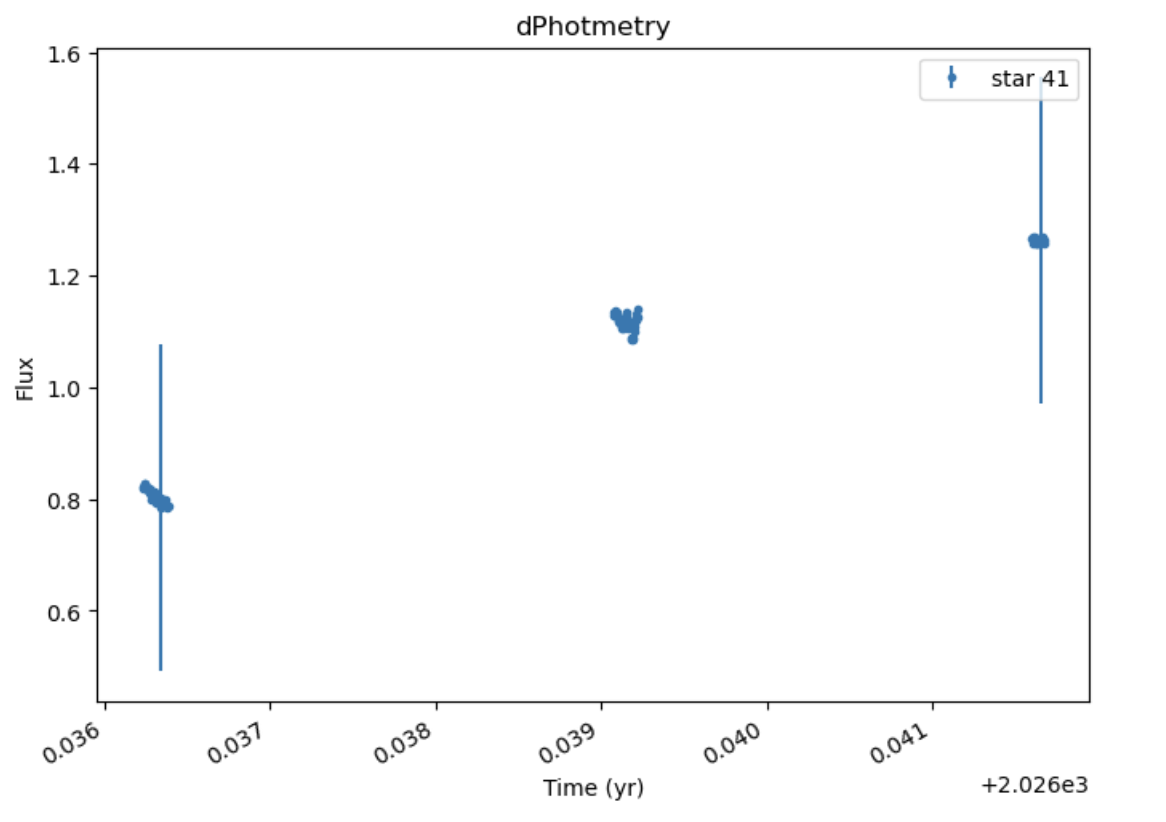
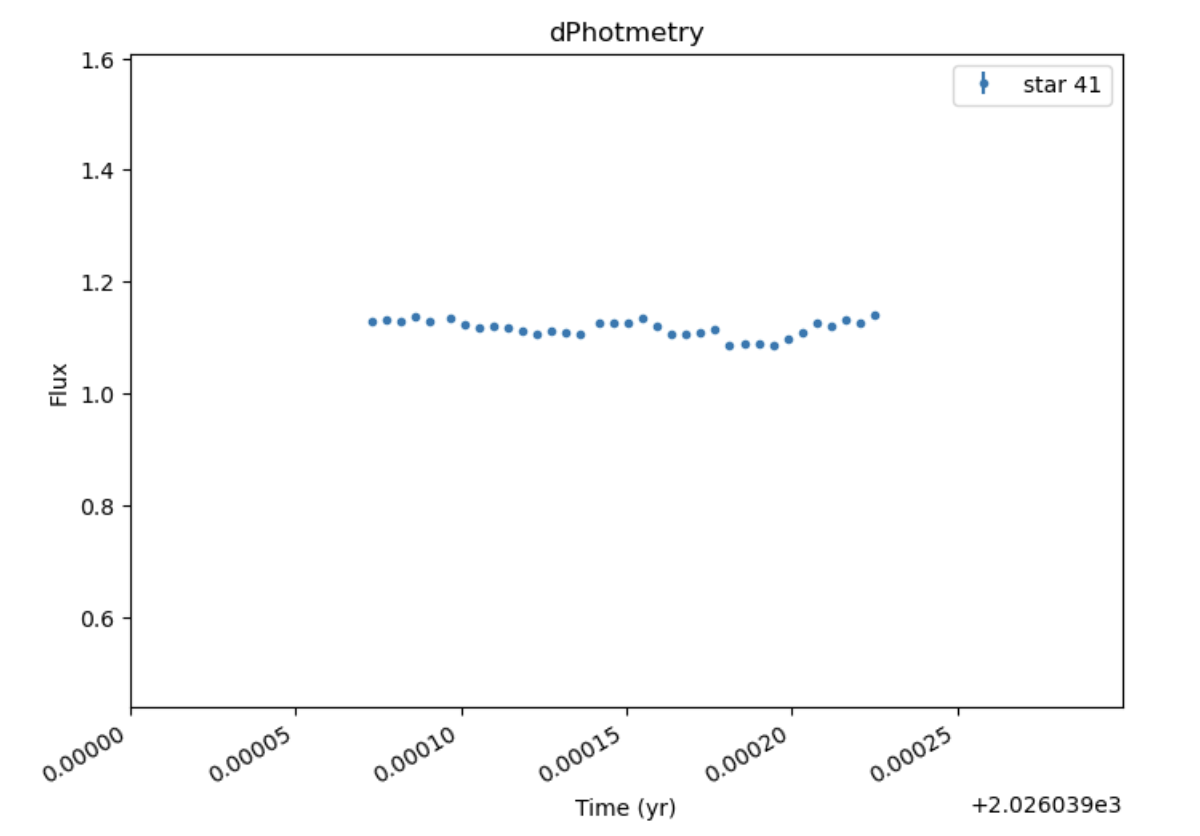
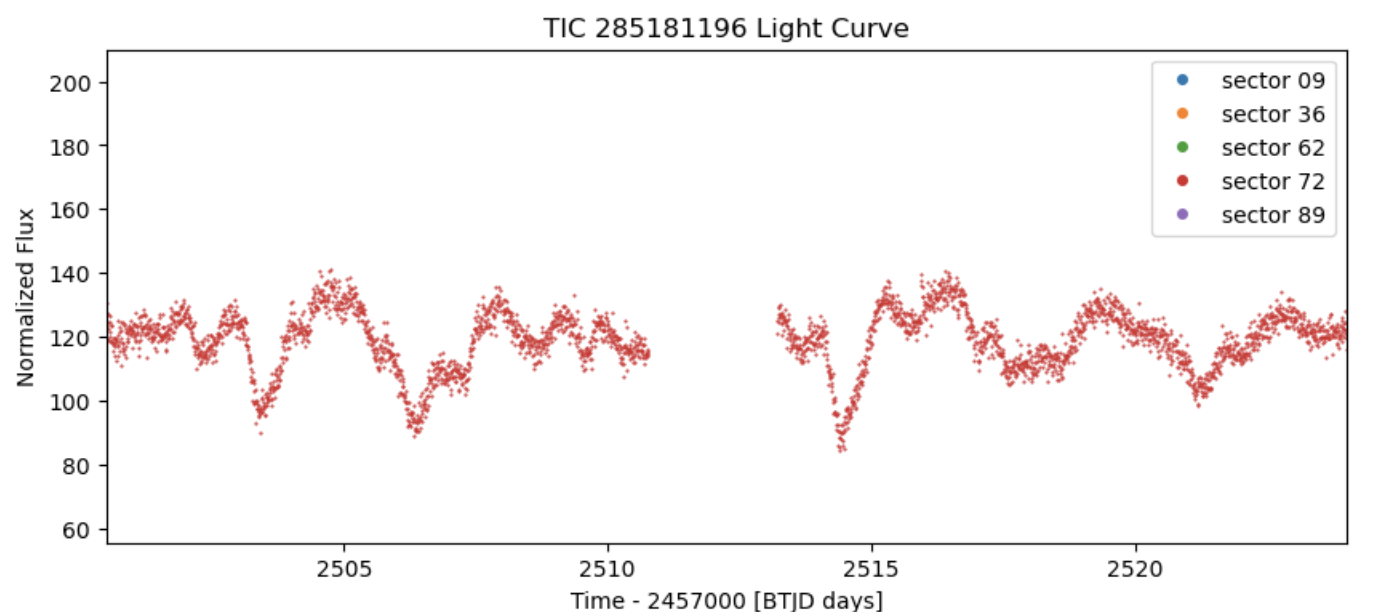
This is an afterclass update, so I have done my reduction right, I think, at least according to Leo. And for some reason I tried to write my alignment code myself forgetting we were given the backbones of alot of this coding already so, I stripped code from last semster and ta da! (after some tweaking) it mostly works!! I have to rename my files to make them easy to track down and not confusing when I put them all in an alignment folder. I've only aligned and trimmed Romeo so far and then I tried to create a light curve...really gonna need tess data to back me up here.